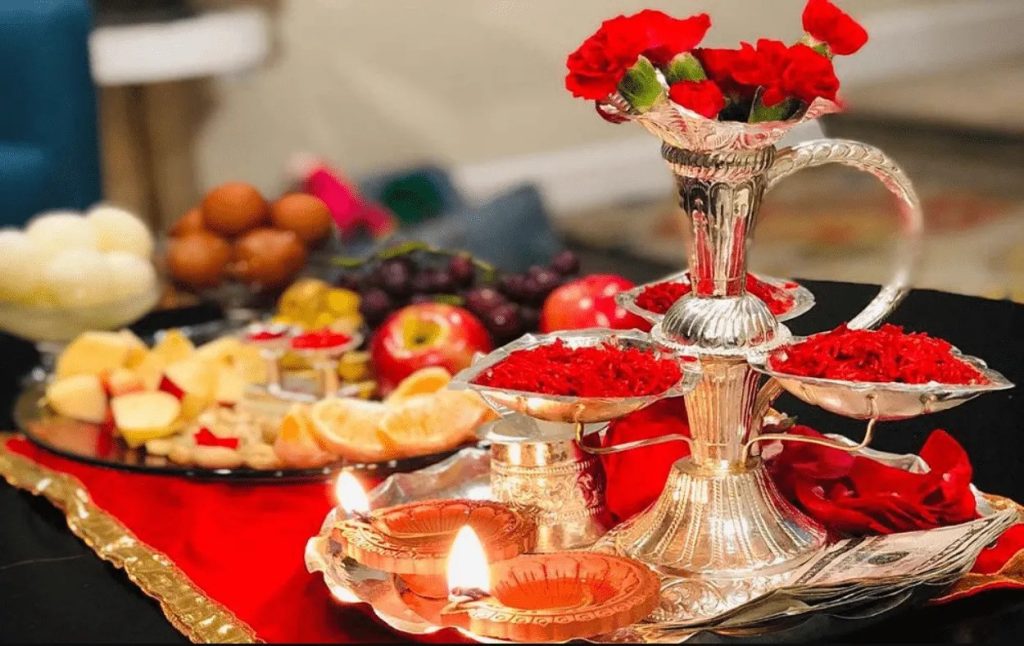
Festivals in Nepal are full of color, community, and connection. Dashain, Tihar, Holi, and Gaijatra each bring moments of joy that remind us we belong somewhere. Yet for many people, festivals can also stir hidden stress, loneliness, and emotional exhaustion. Mental health doesn’t take a holiday, even when the rest of the country does.
As a psychiatrist in Nepal, I’ve seen how festivals lift spirits and, paradoxically, trigger breakdowns. Understanding both sides helps us celebrate consciously, protect our mental well-being, and strengthen the psychology of resilience built into our own culture.
The Bright Side: How Festivals Improve Mental Health
- Social bonding: Shared rituals reduce loneliness and strengthen belonging.
- Positive emotions: Music, laughter, and shared meals release dopamine and oxytocin — the brain’s “feel-good” chemicals.
- Identity and continuity: Repeating ancestral traditions provides stability in a rapidly changing society.
A study published in the European Journal of Public Health (2024) found that participation in community festivals improved overall mood and reduced self-reported anxiety among more than 1,000 adults across five cities. These effects lasted several weeks after the events ended- proof that joy, when shared, has staying power.
When Happiness Feels Heavy: The Hidden Strain
The same festivals that create connection can also intensify pressure:
- Social expectations to be happy or sociable can worsen depression or anxiety.
- Financial stress from gifts, travel, or feasts adds to the burden.
- Family conflicts often resurface when everyone gathers.
- Social media comparison fuels insecurity- we see others’ perfect moments, not their exhaustion.
For people already struggling with emotional disorders, these stressors can quietly undo progress made during the rest of the year.
Cultural Habits with Mental Health Risks
In Nepal, taas (card gambling) and alcohol are practically festival rituals. But what’s “tradition” for one person can become an addiction for another. During Dashain and Tihar, gambling is framed as fun or fortune-testing, yet studies (Risal et al., 2018, Journal of Nepal Health Research Council) suggest that nearly 15 percent of regular players show symptoms of problem gambling, impulsivity, financial loss, and family conflict.
Alcohol is another accepted guest at every celebration. The WHO STEPS Survey Nepal (2019) reported that over 17 percent of Nepali men are current drinkers, many engaging in binge drinking during festivals. Alcohol may briefly lift mood, but it worsens sleep, depression, and irritability, sometimes leading to violence or relapse in those with existing mental illness.
Holi’s colors and Shivaratri’s bhang carry symbolic roots in joy and devotion, but both normalize cannabis use. Modern strains are far more potent than the traditional leaf-based mixtures once used ritually. Research in South Asia has shown that nearly 1 in 10 young adults who regularly used cannabis during festivals reported psychotic or anxiety symptoms afterward. For vulnerable individuals, cannabis can trigger paranoia, panic, or even psychosis.
Gaijatra: A Cultural Model of Healing and Resilience
Not every festival amplifies stress. Gaijatra, Nepal’s festival of cows, was designed centuries ago as a grief ritual. Families who lost loved ones join street parades dressed in humorous costumes, turning sorrow into collective laughter. Modern psychology calls this meaning reconstruction: finding new purpose after loss. Gaijatra proves Nepali culture understood emotional healing long before therapy rooms existed. From a psychological perspective, Gaijatra is community therapy:
- It normalizes grief instead of hiding it.
- Humor and satire act as emotional release.
- It turns private pain into shared humanity- a key element of resilience.
Building Mental Resilience During Festivals
- Set boundaries: Say no to unrealistic expectations.
- Budget wisely: Joy isn’t measured in spending.
- Limit alcohol and gambling: moderation keeps peace of mind.
- Practice mindfulness: Short daily pauses prevent burnout.
- Reach out: If someone seems withdrawn, a simple check-in can help.
A 2022 national survey (Journal of Nepal Health Research Council) showed that nearly one in five adults in Nepal experiences some form of mental distress. Festivals offer a unique chance to turn gatherings into spaces of empathy rather than performance.
Conclusion: Celebrate, Don’t Collapse
Festivals are vital to our identity — they bind families, renew hope, and color life in a country that’s often tough on the soul. But real celebration includes caring for our mental health, respecting our limits, and allowing both laughter and grief to coexist. So this Dashain and Tihar enjoy the rituals; but also rest, reflect, and reconnect with yourself. As a psychiatrist I can tell: the healthiest festival is one where the mind, not just the calendar, feels at peace.